


Opinion: Higher taxes — the last thing British Columbians need
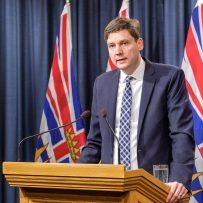
Tegan Hill: Tax hikes in the 2026 B.C. budget will increase the lowest personal income tax rate, expand the PST to a host of professional services, and raise the speculation and vacancy tax by one percentage point.
By Tegan Hill, Published Feb 18, 2026
The David Eby government tabled its 2026 budget on Tuesday, which includes a whopping projected $13.3-billion deficit and several tax hikes. For a province already struggling with tax competitiveness, this is the last thing British Columbians need.
Specifically, the Eby government will increase the lowest personal income tax rate from 5.06 per cent to 5.6 per cent, expand the provincial sales tax to a host of professional services (e.g. accounting, architecture), raise the speculation and vacancy tax by one percentage point, and increase the provincial portion of property taxes (a.k.a. the “school tax”) for homes over $3 million.
High taxes reduce the reward from productive activities such as entrepreneurship, work and investment, and ultimately reduce economic growth. And when deciding where to live, work and start a business, high-skilled workers such as doctors, engineers and entrepreneurs consider tax rates. Jurisdictions with lower tax rates have an advantage in attracting these people who create jobs, fuel economic growth and drive prosperity.
Unfortunately, B.C. is woefully uncompetitive on taxes that affect both individuals and businesses. The province already has the fourth-highest combined (federal and provincial) personal income tax rate (53.5 per cent) for those in the top income brackets among all 10 Canadian provinces — significantly higher than neighbouring Alberta, Alaska and Washington state. In fact, B.C.’s personal income tax rates are uncompetitive at various income levels, and raising the bottom tax rate will only worsen the province’s overall tax competitiveness.
Moreover, B.C.’s provincial sales tax — which applies to a wide range of inputs used in the production process (equipment, new technologies, etc.) by businesses and entrepreneurs — was already uncompetitive before the budget. Indeed, other provinces including Ontario, have an integrated sales tax with the federal GST, which doesn’t tax business inputs, and Alberta has no provincial sales tax at all.
Due to the unique design of B.C.’s PST, the province has the highest tax on investment in Canada, making it more expensive to do business in B.C. than in other provinces. Now, by expanding the PST to include a new host of professional services, the Eby government will only worsen the province’s tax competitiveness.
Meanwhile, B.C.’s per-person GDP — an important indicator of living standards — declined in both 2023 and 2024 (after adjusting for inflation). Housing affordability remains out of reach in many areas of the province. Health-care wait times have never been higher, and student test scores have plummeted in math, science and reading. British Columbians are already leaving the province in droves. Higher taxes will only further suppress economic growth and make the province a less desirable place to live.
B.C. has a serious tax competitiveness problem, which hinders economic growth and living standards. Unfortunately, the Eby government’s latest budget moves in the wrong direction and exacerbates the province’s challenges.
Tegan Hill is acting director of B.C. policy studies at the Fraser Institute.
www.vancouversun.com/opinion/op-ed/opinion-higher-taxes-last-thing-british-columbians-need
