


Douglas Todd: David Eby has veered to and fro with housing developers
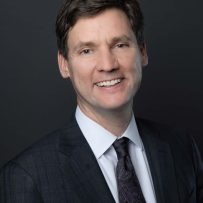
The struggling NDP leader is trying to woo voters by reviving his stand-up-to-big business persona of years ago
By Douglas Todd, Published Oct 02, 2026
An early version of NDP Premier David Eby’s persona returned last week when he said only he can be counted on to “stand up to developers.”
It represented a big switch from recent years, when his government has been mandating sweeping, provincewide upzoning to allow developers to build faster and cheaper.
Only three months ago, critics said Eby was preparing to “bail out” developers when he and Prime Minister Mark Carney announced a plan to spend almost $1.4 billion (90 per cent of which would come from B.C.) to snap up 2,200 unsold condos at discounted prices and convert them to affordable housing.
After calling a snap election on Sept. 22, Eby changed tacks dramatically. In the midst of a sharp cyclical downturn in B.C. housing sales, Eby said he would impose a two per cent tax on thousands of newly built unsold condos, which he claimed developers are “hoarding.”
Two independent housing analysts who are often critical of the real-estate industry are appalled. Real estate broker John Pasalis said “governments shouldn’t bail out builders. But they also shouldn’t tax them when their businesses are struggling financially and facing the worst downturn in decades.”
Vancouver realtor Steve Saretsky said, “The condo market is at a standstill. As a result, inventory continues to pile up. There are 8,400 unsold new condo units in Metro Vancouver that are either under construction or already complete. These are the units David Eby suggests are being hoarded. You think developers aren’t trying to sell them?”
Eby’s populist new assault on the struggling development industry represents a seismic reversal in recent optics. For the past few years he forced all municipal councils to push through higher-density zoning across virtually all neighbourhoods.
In contrast to B.C. Conservative leader Lorne Doerksen, who emphasized this week that he “will commit to not raise taxes,” Eby is trying to appeal to voters by reviving his stand-up-to-big-business image of about a decade ago.
Back then, he made a name for himself by leading a charge against the building industry.
In Opposition in 2017, he condemned then-premier Christy Clark, of the B.C. Liberals, for her outsized reliance on political donations from developers. After winning the election later that year and becoming attorney general, Eby limited corporate donations to politicians.
In 2018, Eby also brought in the speculation and vacancy tax, which proved to be popular because it penalized speculators who left their homes empty (not including unsold units). It also targeted homeowners who make most of their money offshore and thus pay little in Canadian income tax.
After NDP members acclaimed him premier in 2022, however, Eby followed the developer-friendly recommendations of a housing affordability task force led by former NDP cabinet minister Joy MacPhail, including by reducing what they called municipal “barriers.”
In 2023, the NDP pushed through Bill 47, which forces city councils to upzone for highrises within 800 metres of a transit hub, as well as Bill 44, which requires them to greenlight four- to six-unit apartment buildings on standard lots, with no required on-site parking.
By 2025, Eby admitted to B.C.’s Urban Development Institute, which represents developers, that the pro-density decisions had hurt the NDP politically.
“We have taken big, big political risks around expanding vast access to density, and forcing municipalities that are opposing density to take it,” he told a UDI audience “It has cost us in a number of jurisdictions.”
Given that policy lurches have caused his party harm, last week Eby went to Burnaby to revive his left-wing warrior brand. In addition to vowing a new tax on unsold condos, he promised to increase the speculation and vacancy tax to two per cent from one per cent for domestic owners and to five per cent from three per cent for foreign owners and satellite families.
To be fair, B.C.’s decades-long housing affordability crisis has been a complex, brutish beast to try to tame. It has been highly impacted by tepid household wages, foreign capital, population growth through international migration and, until recently, a flood of investors.
So it’s not surprising there have been fiery debates over Eby’s moves, including whether he did the right thing by overriding municipalities to upzone almost the entire province. A coalition of more than 20 Metro Vancouver housing specialists, called Housing Reset, have said such blanket density hikes mainly increase the cost of land, with no evidence they lower housing prices.
Others who have investigated the role that foreign capital has played in raising B.C. housing prices have also said the main problem with the speculation tax is not the size of the penalty, it is its loopholes. Former SFU prof Joshua Gordon (who is running as a candidate in Vancouver’s civic election with TEAM) says the best way to strengthen it would be to stop owners from avoiding the tax simply by renting out a suite or laneway house on their property.
In the end, what can we make of this veteran politician returning to his get-tough-on-developers image with bold ideas that Saretsky says threaten the viability of a real-estate and construction industry that counts for 30 per cent of the province’s GDP?
To be realistic, if the NDP are re-elected, there are reasons to doubt Eby would go through with these housing promises.
www.vancouversun.com/opinion/columnists/douglas-todd-david-eby-has-veered-to-and-fro-with-housing-developers
